335e6cd38f3e42bab49f56c4e91c2a90

Community spirit and heritage main focus

Community spirit and preserving the heritage of Grassy Park is the main objective of the non-profit organisation, Community ThinkTank SA.

“As an organisation we have development in our streets, communities and neighbourhoods as our core focus,” says Robin Oakes, founder of the organisation.

The organisation says Grassy Park still has a sense of community.

“The Grassy Park community, is a Cape Flats pioneering community, with integral links to the developing Cape Town of the 1800`s, and has a rich legacy of community building, community pride and the ensuing community spirit which have developed through the years. Our history and heritage speak for itself and since 2015 we have developed the Grassy Park Community Heritage Preservation Council to further uncover, share and house our local heritage,” he says.

The Kannemeyer family developed the first school on the Cape Flats, namely EC Primary in 1904. The Harmony Society, a civic organisation, was founded by a janitor, farmer, insurance agent and a teacher during the 1920’s and they built the first hall, The Harmony Hall, on the Cape Flats.

“This society further developed the first burial society on the Cape Flats, the Leliebloom Society, which is still in operation today. Lotus River Primary School is the first ‘board school’ and the Harmony Society helped to establish the school,” Oakes says.

Other heritage include the work of the Independent Order of True Templars founded in 1922 to guide the communities against alcohol and drugs. This organisation is still alive in Grassy Park today.

“We remember the property owning, pre-apartheid resilience of the early 1900 ‘pondokkie’ families of Parkwood, ‘the middletown of the Plumstead Flats and the families within Kok se Bos, Frikkadel-dorp en Zeekoevlei bungalows who had lived with fortitude within the Grassy Park of the 1800’s to 1960 and the onset of apartheid,” Oakes says.

According to him, family stories of organic farming, home crafting, clothes making, furniture making, Cape traditional home foods and preserves, culinary excellence and a rich culture of home grown medicinal herbs and remedies are remembered by young and old.

“It is against this backdrop that Grassy Park had built a strong community spirit largely pre-dating the onset and onslaught of family and community destabilising apartheid. In Grassy Park, entrenched families remember how they used to share excess produce and goods with local neighbours, heal families with herbs, fellowship together, grow food in their yards and many other community activities. A culture of sharing, the feeling that ‘your child is my child’ and true community spirit, is what we are trying to revive in Grassy Park,” he says.

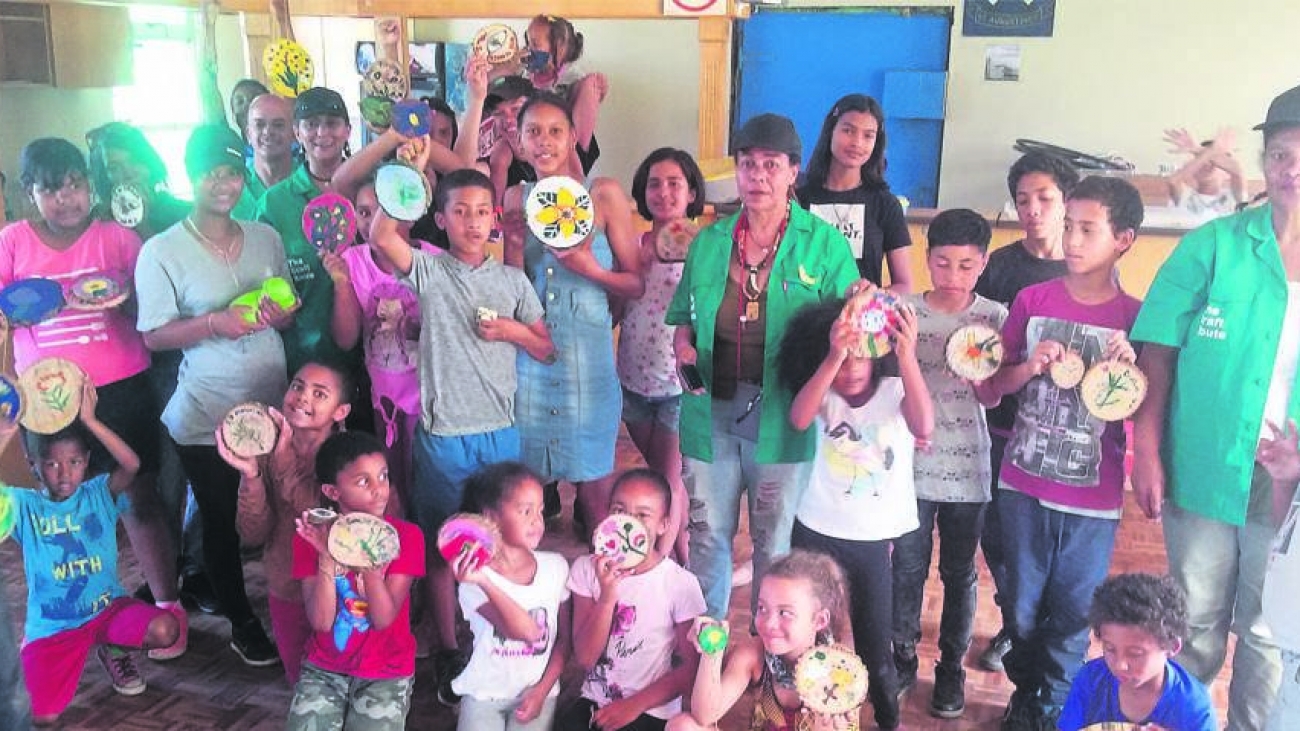
The organisation is hosting different outreach programmes and workshops. One of the workshops is the Craft Route where locals are encouraged to adapt some of their craft to reflect the heritage in Grassy Park.
691d14945b3dac0f54aaa00c9a4695c0

Be part of tourism initiative

After two years of engagement, a local tourism development initiative in Grassy Park, which aims to uncover and share heritage and local tourism storylines, the Community ThinkTank organisation and Grassy Park Community Tourism members are ready to launch this tourism initiative.

Robin Oakes, founder of the Community ThinkTank organisation and The Green Route – Grassy Park Community Tourism, said that Grassy Park and its surrounds comprised ultra-abundant natural, heritage and cultural environment with previously uncovered links to local indigenous peoples.

He said they met with Cape Town Tourism directors in 2018 where they shared their concept, which was well-received.

Mr Oakes said The Green Route and the many tours, within it, were borne from this abundant local narrative. 

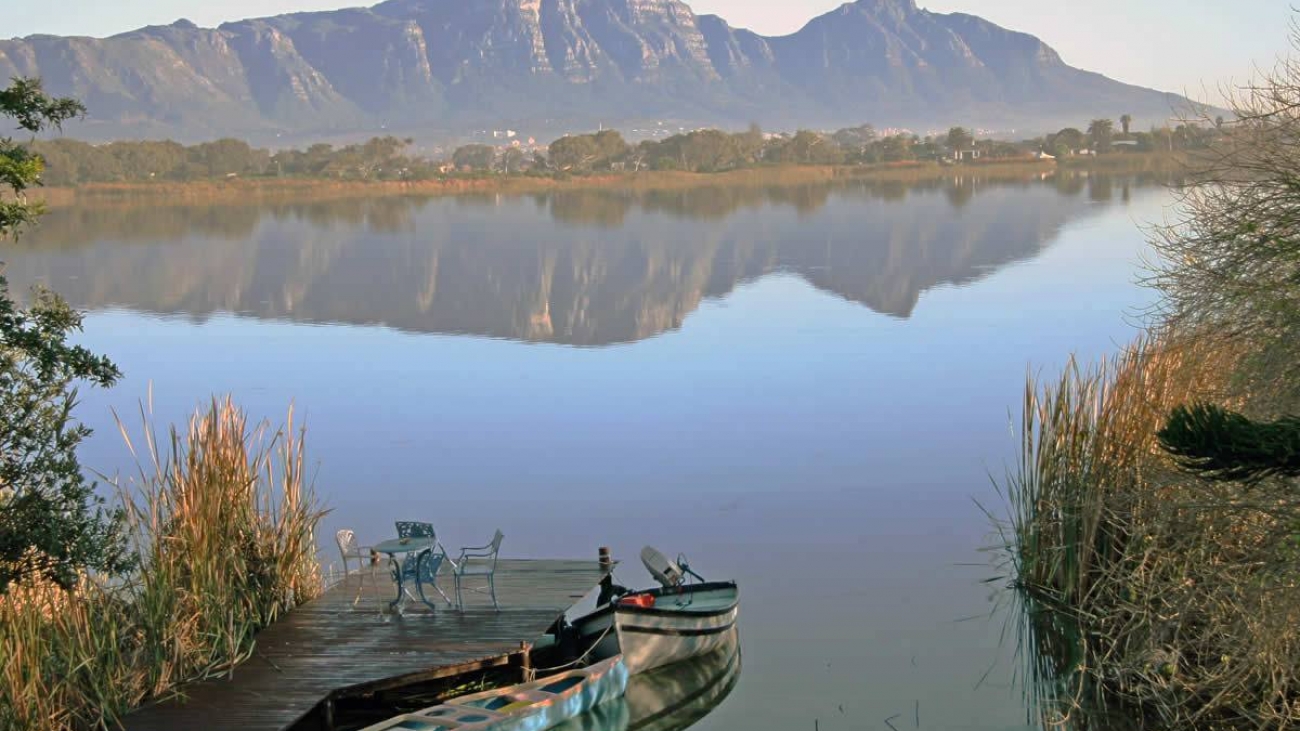
“The Green Route is therefore a local swathe of communities and natural environs which stretches from Cafda, through Grassy Park, around our wetlands, to Schaapkraal and the Philippi Horticultural Area (PHA) and up to the local shoreline.

“We encourage any person, organisation or business who feels that they have undiscovered, local tourism value, to add to the current pool of unique offerings within The Green Route initiative to join us.”

Mr Oakes also outlined The Craft Route concept: “The Craft Route and its crafters with their skills, heritage, arts, crafts and entrepreneurship development route (throughout the Grassy Park communities) also forms part of this broader community tourism initiative – The Green Route.

“Be free to contact us if you are an artist, crafter, foodie, poet, storyteller or musician. Although The Craft Route is an intrinsic and dedicated route within the tourism route it is also a stand-alone entrepreneurship development initiative where local crafters are encouraged and trained to open their homes to daily trading to offer a creative channel for local shoppers to buy handicraft from within their local neighbour-
hoods.”

The Community ThinkTank organisation and The Green Route aim to broadly open this channel to any relative person, institution, organisation or business from within the broader Grassy Park community, Cafda Village, Grassy Park, Zeekoeivlei, Goolhurst Estate, Parkwood Estate, Fairways, portions of Ottery, Lotus River, Schaapkraal, Pelican Park and New Horizons.

20200229_133313

Share family stories to preserve memories

If you’re interested in sharing your local history, heritage, culture and traditions, the Grassy Park Community-Heritage Council (GPCHC) are waiting to hear from you.

Robin Oakes, chairperson of the GPCHC, which was established in 2017, said they wanted to create a digital storehouse of local history with all its influences, adaptations and manifestations.

Mr Oakes said they established the community-based council to preserve the spaces, structures and most importantly the collective stories of the immediate communities.

“We record and track our diverse storylines, back through our historical experiences to our lost heritage,” he said.

“Our current lack of cultural identity is, largely, linked to the dispossession of our people – ancient and modern.

“Locally this is reflected in the San artefacts in Rondevlei, legend and slave history in Princess Vlei, Cape Dutch farmhouse influence and intermingling, wood and iron Cape Cottage fortitude, township and squatter camp forced legacy, protected nature reserves, vast commons and more which bears a portion of the story of the consciousness of our people and the forging of community.”

Mr Oakes said the heritage resource will be preserved online and in a building in Grassy Park.

“A site has been earmarked and discussions are under way,” he said.

The GPCHC covers areas including Grassy Park, Lotus River, Zeekoevlei, Goolhurst Estate, Parkwood, Montagues Gift, Fairways, Eagle Park, Pelican Park, Schaapkraal and portions of Ottery.

“I know many of the families in these areas personally after doing research. Communities from areas such as Constantia moved to Grassy Park after the forced removals of the Group Areas Act.”

He said there are four generations of families living in Grassy Park.

Mr Oakes said he would like to invite all those who had lived in the area to come forward and share their history.

He said they can bring old photographs of their family members who used to live in the area.

“We will record their stories to the archives,” said Mr Oakes.

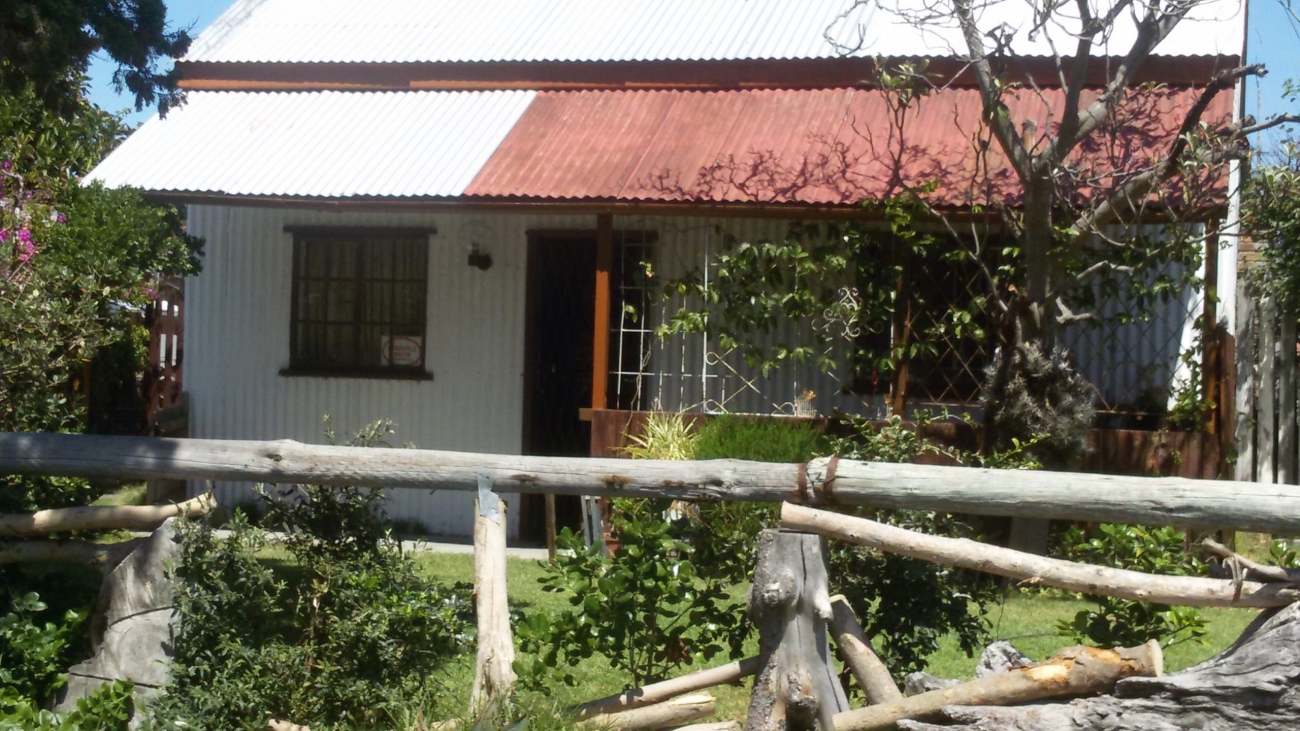
He said they have identified a few Cape cottages made from wood and iron in Grassy Park.

He introduced Southern Mail to a family living in one of these homes in First Avenue.

Seventy-seven-year old twin sisters, Zainap Matthews and Asa Moltie (nee Matthews), their brother Yusuf Matthews and Asa’s daughter Shamiela Moltie are occupying the house their father built during the 1940s.

The Matthews family were forced to move out of Spaanschemat River Road, in Constantia. Asa remembers settling in Grassy Park with their parents Dawood and Asa, 60 years ago.

They were one of the few people at the time to have built “sink huisies” made from iron and wood.

Asa said she moved with her children to Retreat 48 years ago but when her father died last year they moved back.

She said they live on one of four plots where they used to have farm animals. Asa said they used to have a fence around their properties, but vandals destroyed all of it.

“They also used to break in a lot at our place due to a family member working on many cars in the backyard.” Eventually they never replaced the fence and their house stayed exposed to the traffic in the road.

Asa and her family said they will probably stay in their “sink huisie” forever.